
The Truth about Denmark Pulling its Weight

One of the insights I got from researching my YouTube video about the Danish military and military policy was Denmark’s understanding of how best to contribute to NATO’s collective defense.
Historically—as in for many centuries—Denmark’s focus was on controlling its strategically valuable home territory (the Danish Straits), which meant clashing with its immediate neighbors (Sweden, mostly) and keeping its gaze to the north and east, into the Baltics. It didn’t worry much about its north Atlantic possessions because it didn’t need to. What people fought over was the passageway between the North Sea and the Baltics, not Greenland, Iceland, or the Faroe Islands, none of which was worth much to anyone except Denmark.
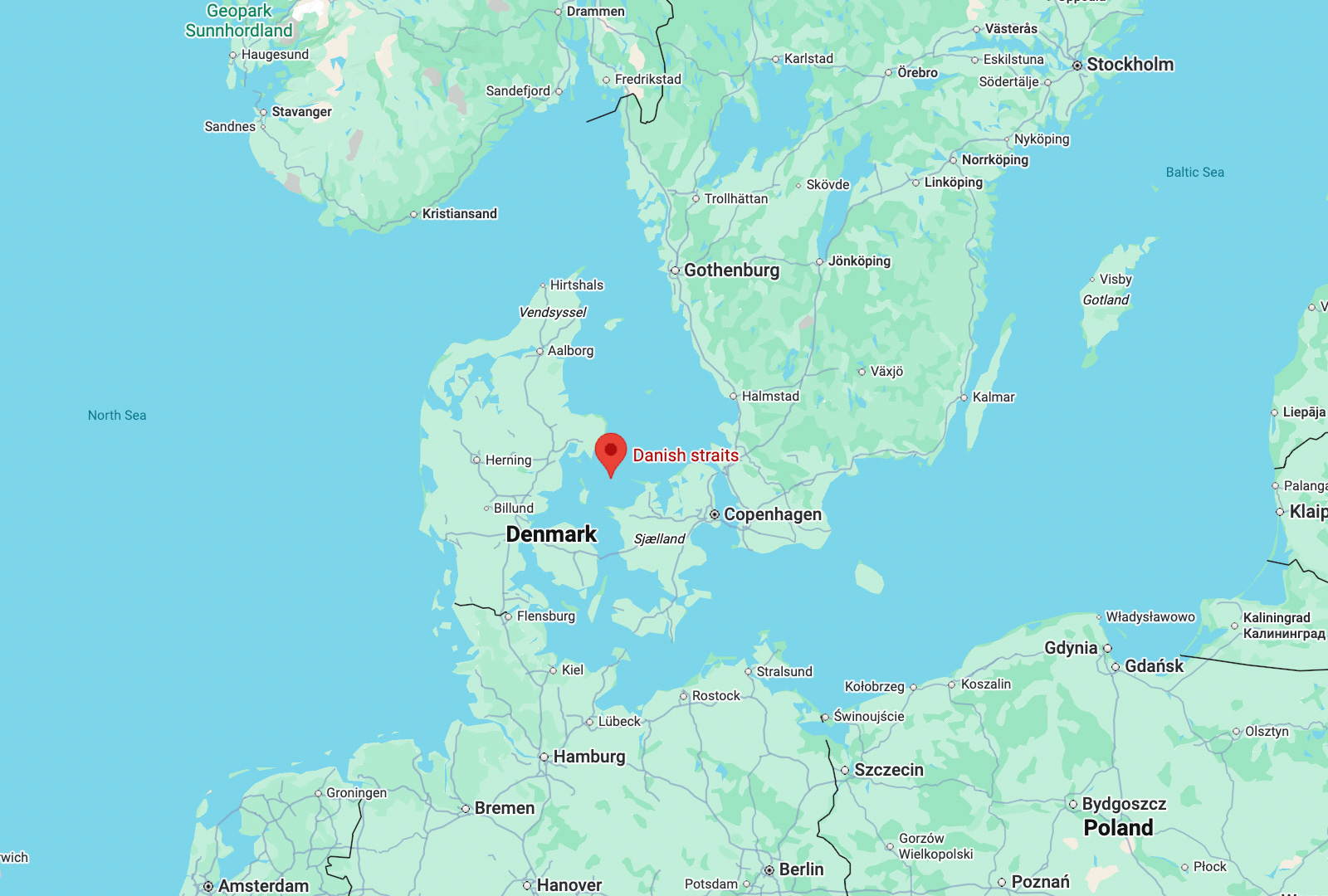
The Danish Straits. Denmark for centuries has controlled who goes in and out of the Baltic Sea. This is Denmark’s single most important strategic function.
In World War 1, Denmark declared itself neutral, but Germany forced it to lean to its side to close the Baltics to Allied shipping. In World War 2, the Germans seized Denmark for the same purpose.
Meanwhile, Denmark had no choice but to entrust its north Atlantic possessions to the United States and the United Kingdom. The U.S. occupied Greenland; the U.K. occupied the Faroe Islands; both countries held Iceland at different times.
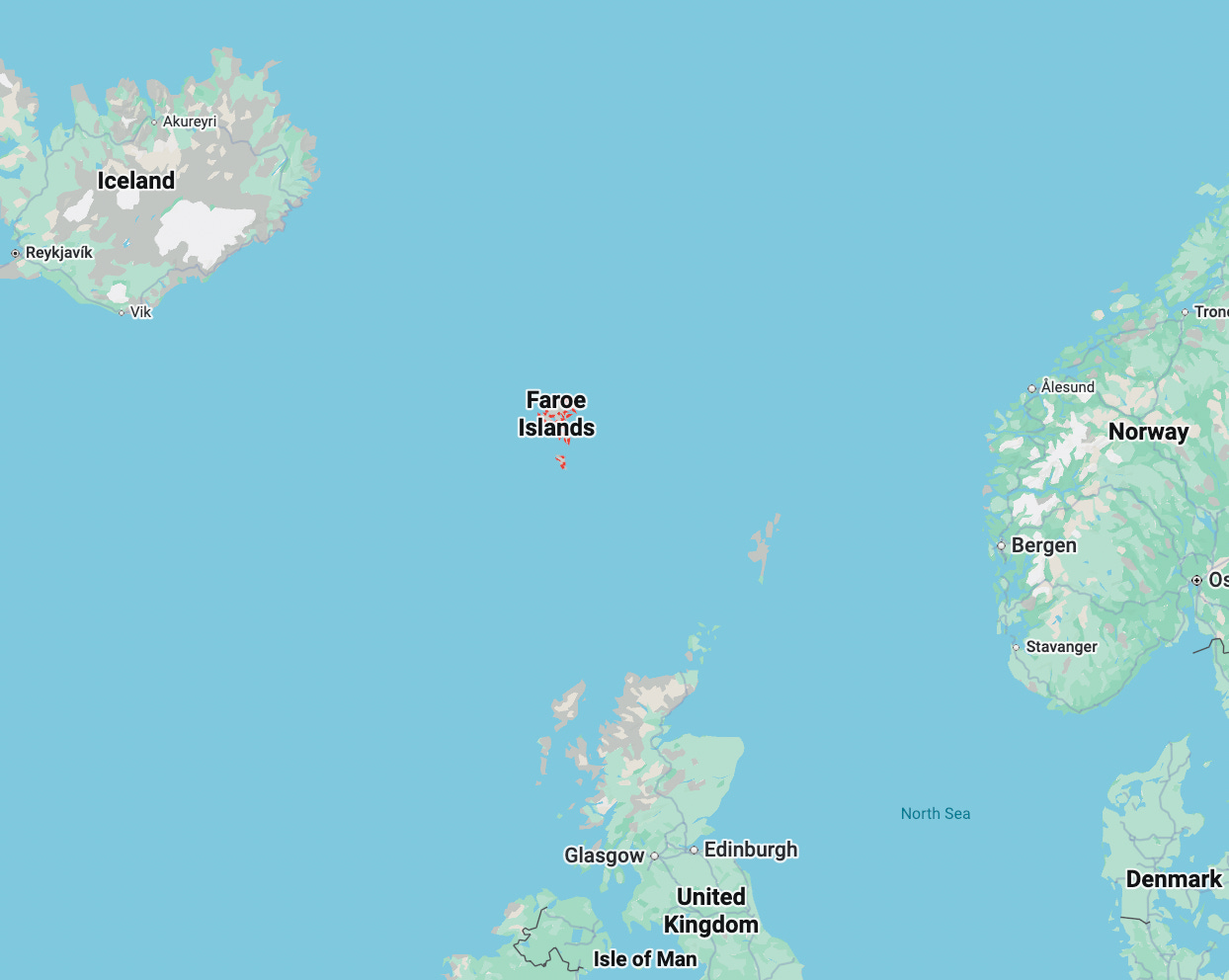
The Faroe Islands: Smack dab in the middle of it all. A U.S. radar post until 2007.
What emerged after the Second World War was an understanding: Denmark would do what it traditionally did, which was to focus on controlling the Straits and practicing sea denial in the Baltic Sea, while helping to keep the Soviets out of northern Germany. This was little different from Danish defense policy for most of Denmark’s history. It made sense.
To that end, DK spent a lot of money—consistently about 3% GDP for most of the Cold War—and bought billions of USD-worth of US arms. It maintained armed forces that proportionately were very large for the country’s small population (about 5 million people in the 1980s).
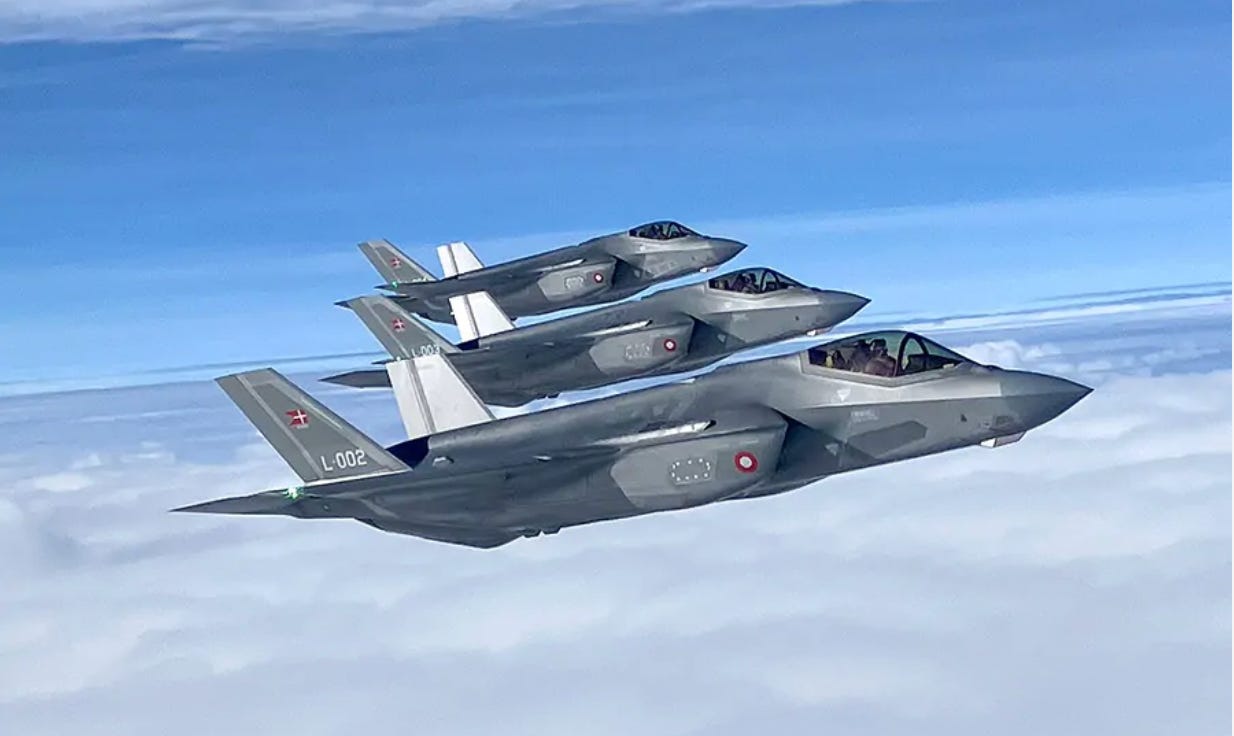
Danish F-35s, the latest in a long line of weapons Denmark has purchased from the United States since World War Two. Denmark has ordered 43 of these. They are NOT cheap.
Denmark throughout the Cold War understood that it could focus on the Straits and the Baltic Sea and not worry about Greenland and the North Atlantic because the U.S. had its back there. The U.S. kept troops in Greenland without interruption. Iceland became independent, but it essentially was (and is) an American aircraft carrier and thus a protectorate of a trusted ally (America). Iceland today is host to a NATO air policing operation whereby NATO countries take turns deploying fighters to the country to patrol Iceland’s airspace and waters. The U.S. also maintained radar stations in the Faroe Islands until...2007. So basically we’re talking about a division of labor that was agreed to by Denmark, the U.S., and all of NATO.
With the end of the Cold War, the Danish military, like everyone else in NATO, retooled for an entirely different mission set (i.e. expeditionary operations in the Balkans, Afghanistan, and Iraq) and paid much less attention to territorial defense. Like everyone else.
Then came 2014 and Russia’s invasion of Ukraine. Denmark tacked back to territorial defense and reverted to its historic focus on the Straits and the Baltic Sea. Thus, Denmark committed itself to defending Latvia from Russia. Since 2022, the Danish Army has been rotating armored battalions through the country. In other words, Denmark has been pulling its weight, but it has been doing so within the Cold War division of labor according to which it would defend NATO on its home ground (the Straits) and in the Baltics, while the U.S. covered Greenland and the North Atlantic. What Trump has been doing is criticizing Denmark for doing what everyone (the U.S. included) understood to be what Denmark should be doing.
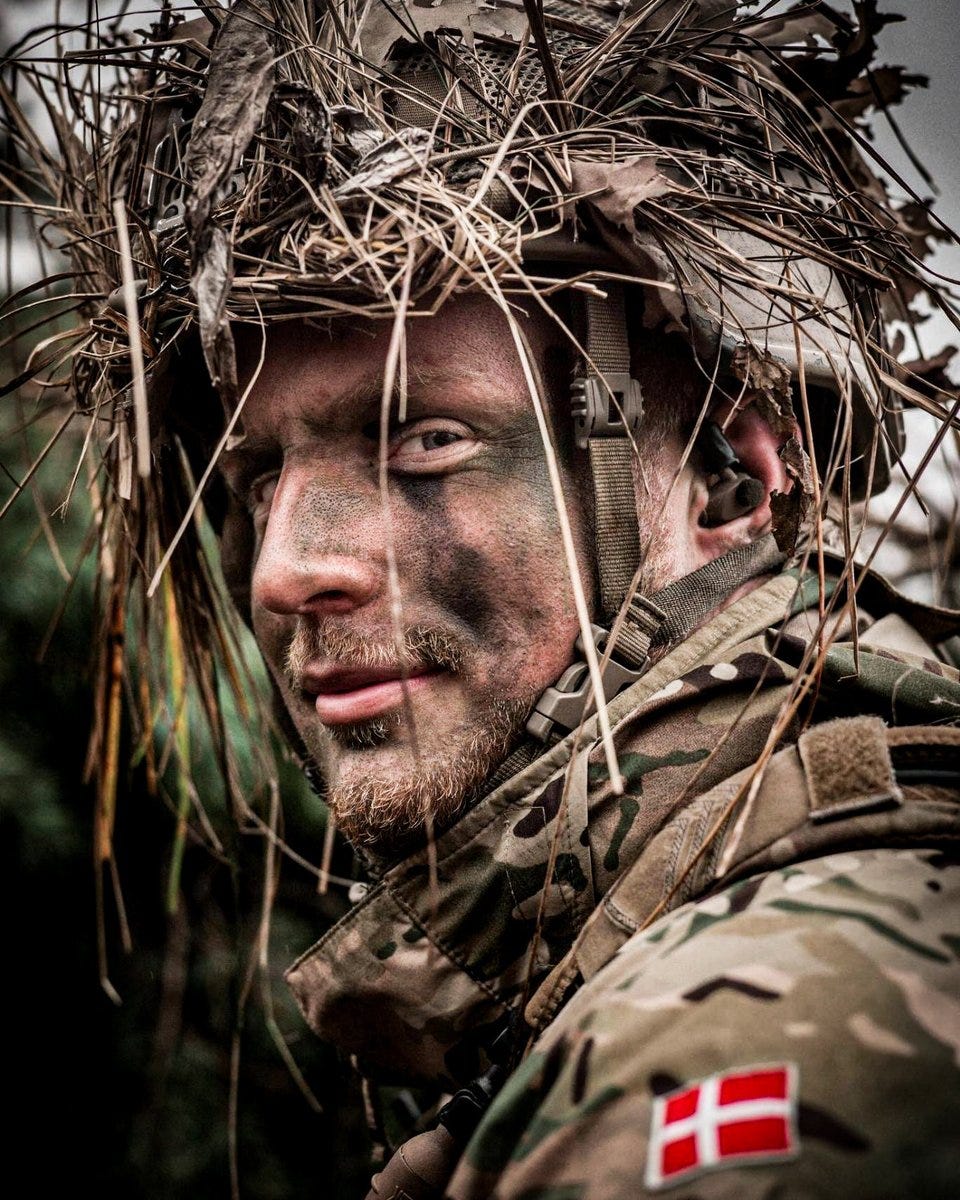
A Danish soldier in Latvia, where Denmark, with NATO’s blessing, chose to take its place on NATO’s front line.
Yes, it is true that Denmark has neglected Greenland’s defenses; Trump’s quip about “two dogsleds” (a reference to the Danish special operations forces’ Sirius Dog Sled Patrol) is sort of true. But that was the deal. That has been the deal since 1941, when the Danish ambassador to the U.S. signed an agreement with Washington inviting the U.S. to occupy Greenland and defend it in exchange for recognizing Danish sovereignty. What is not true is that Denmark has neglected its responsibilities to the alliance or skimped on its share of defending NATO from the USSR/Russia. It has not. Denmark has always kept up its end of the deal.
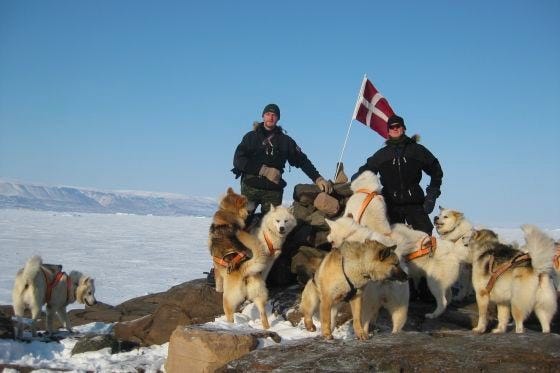
The Sirius Dog Sled Patrol
If you like this content, please consider a paid subscription, or you may Buy Me a Coffee. Thank you.
Also, check out this book about the Danish Army in Afghanistan, “The Tigers and the Taliban.” It’s an affiliate link, so I get a tiny commission from Amazon.
This piece in Le Grand Continent might be of interest to you. Your description, in your YouTube video, of the fate of Greenland in 1941 helps my understanding of the backdrop of this masterstroke by de Gaulle setting the future position of France within NATO.
https://legrandcontinent.eu/fr/2026/01/10/de-gaulle-muselier-resister-a-trump-au-groenland/